Carmel Valley, CA offers an ideal environment for home gardening, thanks to its mild Mediterranean climate, long growing seasons, and abundant natural beauty. For homeowners settling into this picturesque region, adding a garden can be one of the most rewarding ways to enhance both property value and personal well-being. Whether it’s for fresh produce, ornamental landscaping, or native plant conservation, learning how to start a home garden begins with understanding the land, local climate, and what works best in this specific part of Central California.
Gardening at home is more than just a hobby—it’s an opportunity to create a sustainable outdoor space that adds beauty and functionality to any property. In Carmel Valley, where the real estate market includes everything from vineyard estates to contemporary homes with expansive lots, a thoughtfully designed garden can become a key lifestyle asset.
Gardening at home is more than just a hobby—it’s an opportunity to create a sustainable outdoor space that adds beauty and functionality to any property. In Carmel Valley, where the real estate market includes everything from vineyard estates to contemporary homes with expansive lots, a thoughtfully designed garden can become a key lifestyle asset.
Understanding Carmel Valley’s Climate and Soil
Before planting anything, it’s essential to understand the natural conditions that will shape your garden’s success. Carmel Valley’s Mediterranean climate features warm, dry summers and cool, wet winters—an ideal setting for many fruiting plants, vegetables, herbs, and drought-tolerant ornamentals. Knowing how to start a home garden in this environment begins with assessing the specific microclimate of your property.
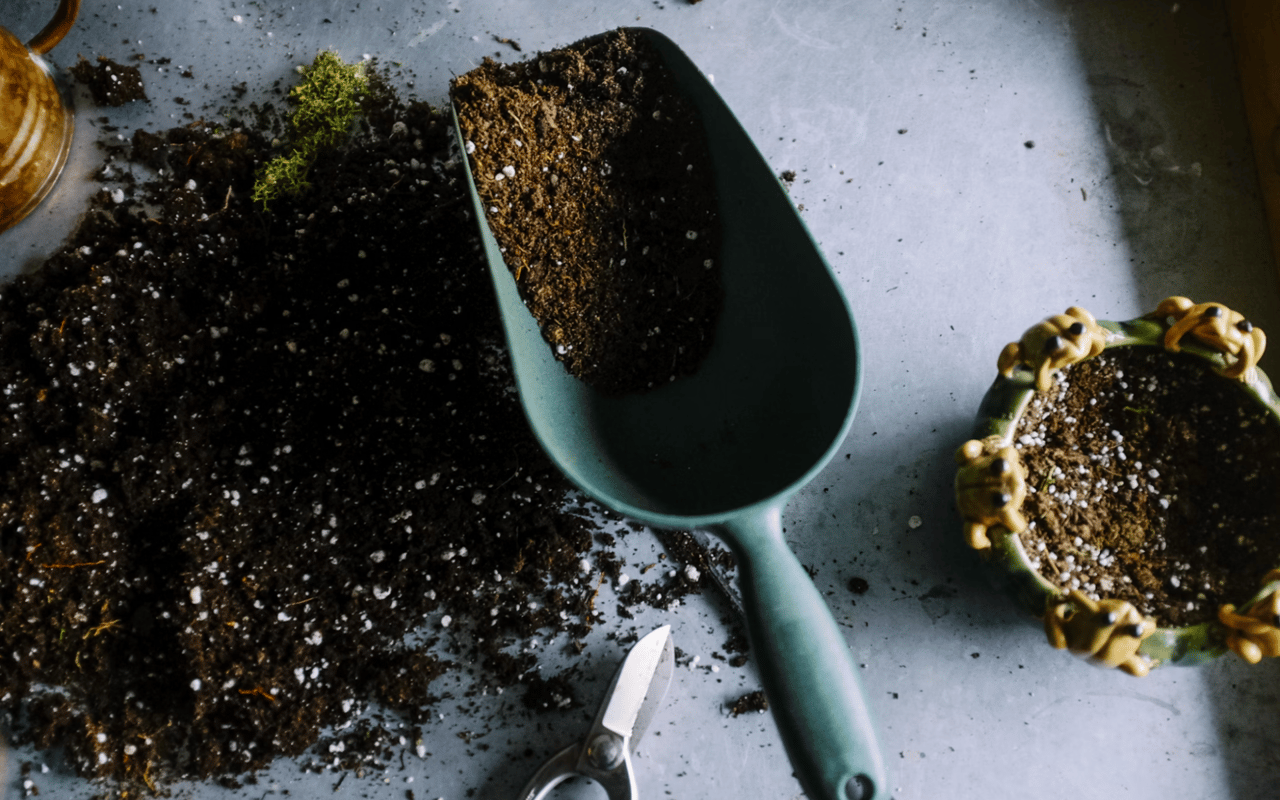
Depending on elevation, proximity to the coast, and shade coverage, temperature variations and soil types may differ across Carmel Valley properties. A south-facing slope with well-draining soil will perform differently from a shaded, flat lot with heavier clay. Homeowners are encouraged to conduct a basic soil test to evaluate pH, drainage, and nutrient levels. Soil amendments—such as compost, organic matter, or sand—can often be added to optimize growing conditions.
Working with local nurseries or garden consultants familiar with Monterey County is a helpful step early in the process. They can provide insight into native species, pest management, and seasonal timing, all of which play an essential role in successful home gardening.
Depending on elevation, proximity to the coast, and shade coverage, temperature variations and soil types may differ across Carmel Valley properties. A south-facing slope with well-draining soil will perform differently from a shaded, flat lot with heavier clay. Homeowners are encouraged to conduct a basic soil test to evaluate pH, drainage, and nutrient levels. Soil amendments—such as compost, organic matter, or sand—can often be added to optimize growing conditions.
Working with local nurseries or garden consultants familiar with Monterey County is a helpful step early in the process. They can provide insight into native species, pest management, and seasonal timing, all of which play an essential role in successful home gardening.
Designing Your Garden With Purpose
Successful gardens begin with thoughtful design. Before choosing plants or breaking ground, consider how the garden will function within your overall landscape. Are you looking to grow food, create a pollinator-friendly haven, or simply enhance curb appeal? Clarity around your goals will help define layout, plant selection, and required maintenance.
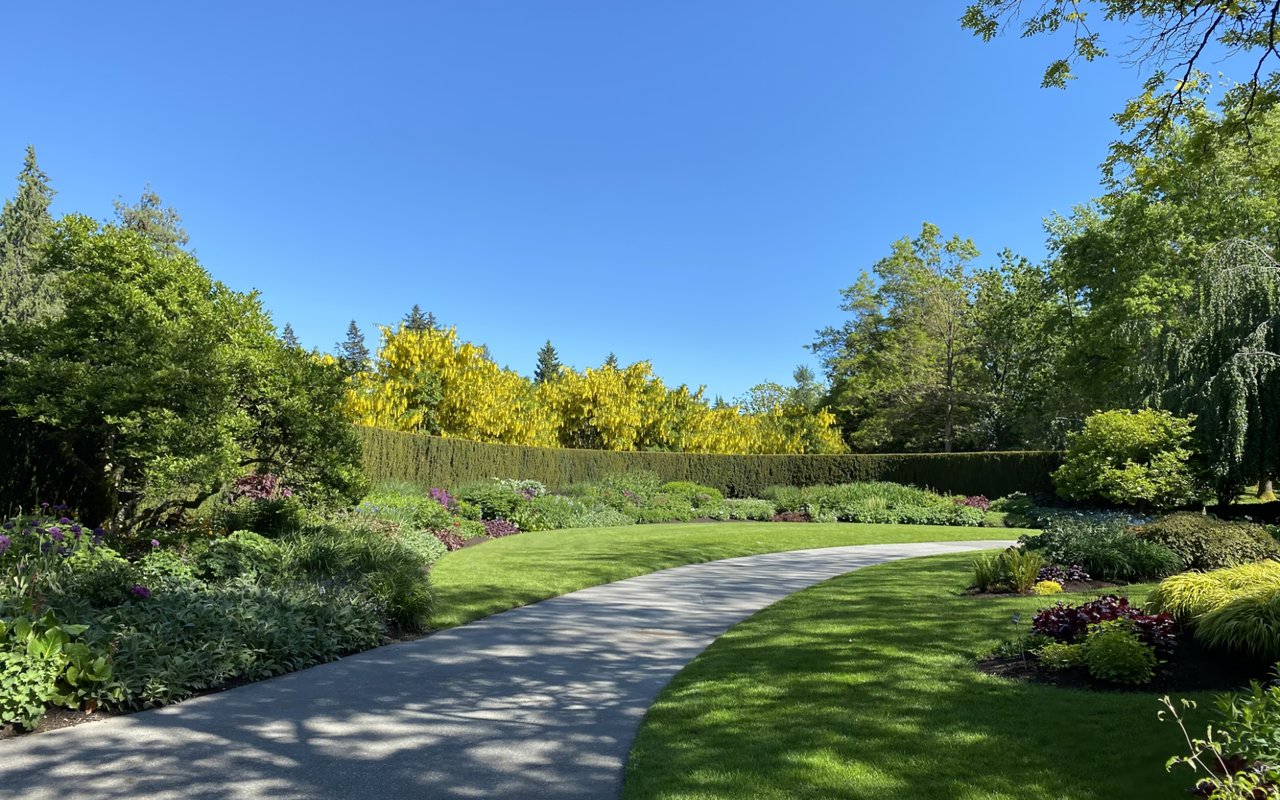
In Carmel Valley, raised garden beds are popular for their accessibility, aesthetics, and soil control. They are particularly useful when learning how to start a home garden, as they allow new gardeners to manage water and soil conditions more effectively. For ornamental gardens, curved pathways, native shrubs, and focal points like fountains or boulders add structure and visual interest.
Strategic placement of irrigation lines, compost bins, and shaded seating areas can elevate both the usability and appearance of the space. In areas with deer or gophers, fencing or underground barriers may be necessary to protect your investment.
In Carmel Valley, raised garden beds are popular for their accessibility, aesthetics, and soil control. They are particularly useful when learning how to start a home garden, as they allow new gardeners to manage water and soil conditions more effectively. For ornamental gardens, curved pathways, native shrubs, and focal points like fountains or boulders add structure and visual interest.
Strategic placement of irrigation lines, compost bins, and shaded seating areas can elevate both the usability and appearance of the space. In areas with deer or gophers, fencing or underground barriers may be necessary to protect your investment.
Choosing the Right Plants for Carmel Valley
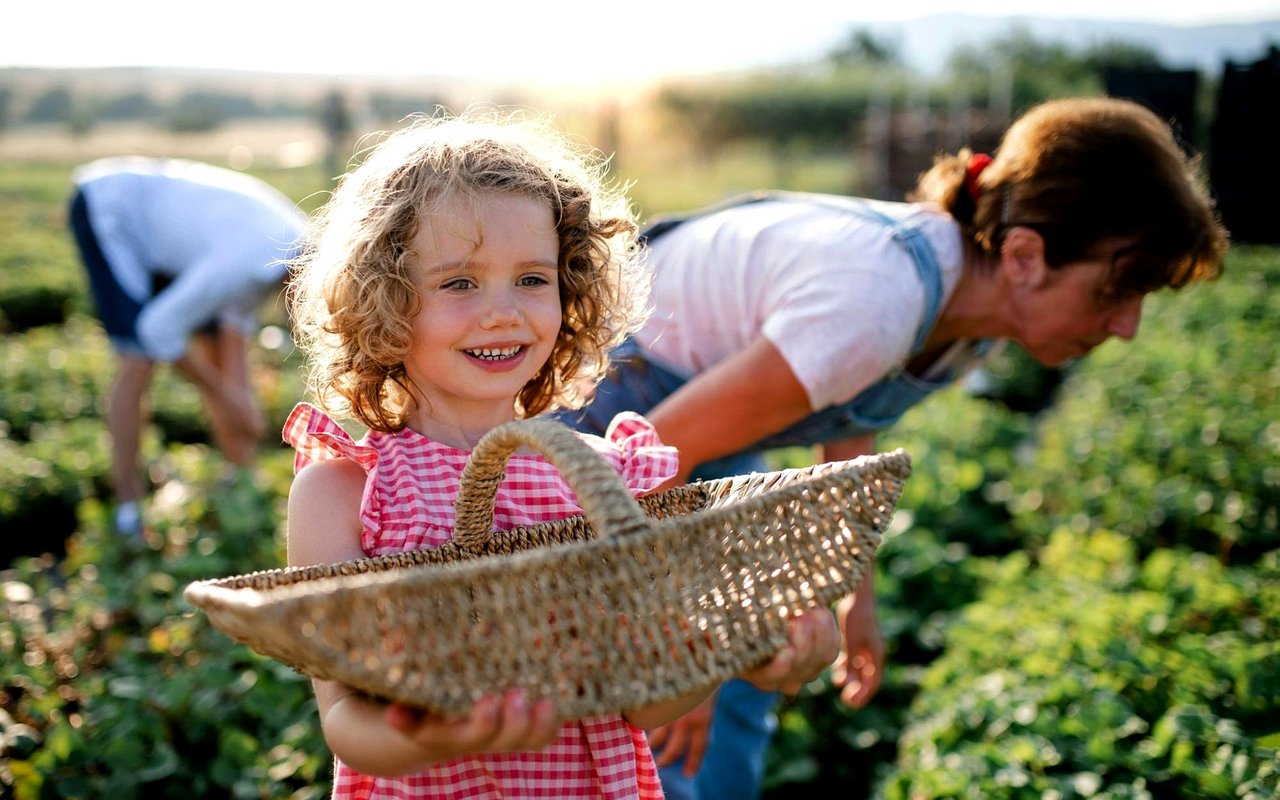
One of the most important elements of learning how to start a home garden is choosing plants that are well suited to your environment. For vegetable gardens, cool-season crops such as lettuce, kale, carrots, and broccoli thrive in early spring and late fall, while warm-season options like tomatoes, peppers, zucchini, and basil perform best in the drier summer months.
Herb gardens featuring rosemary, thyme, sage, and lavender not only perform well in Carmel Valley’s climate but also offer aromatic and culinary value. Fruit trees—including Meyer lemon, fig, persimmon, and apple—are commonly seen in residential landscapes and often produce high yields with proper care.
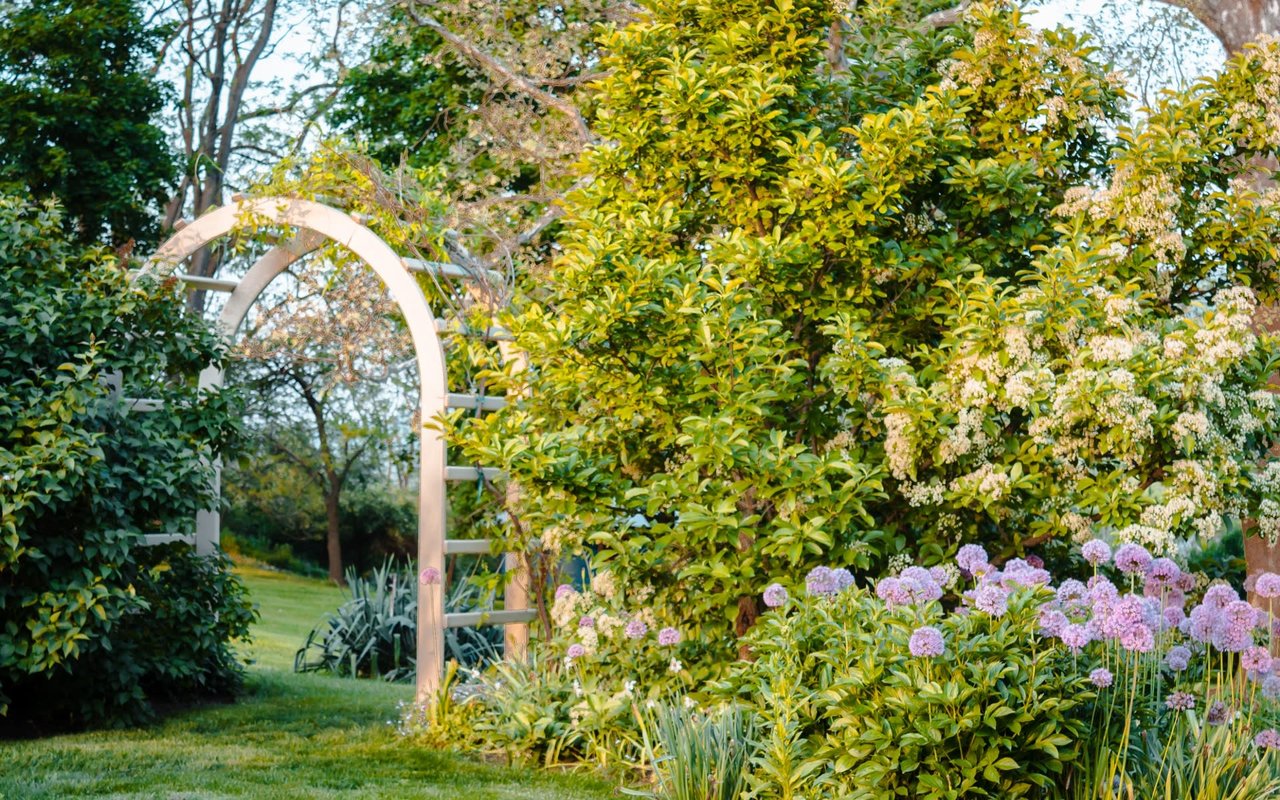
For ornamental gardens, California natives and Mediterranean-adapted species require less water and are more resistant to local pests. Plants such as ceanothus, manzanita, salvia, and agave provide texture and color while supporting local wildlife.
Homeowners interested in pollinator or wildlife gardens may also choose to include milkweed, yarrow, or other flowering perennials that attract butterflies, bees, and birds.
Herb gardens featuring rosemary, thyme, sage, and lavender not only perform well in Carmel Valley’s climate but also offer aromatic and culinary value. Fruit trees—including Meyer lemon, fig, persimmon, and apple—are commonly seen in residential landscapes and often produce high yields with proper care.
For ornamental gardens, California natives and Mediterranean-adapted species require less water and are more resistant to local pests. Plants such as ceanothus, manzanita, salvia, and agave provide texture and color while supporting local wildlife.
Homeowners interested in pollinator or wildlife gardens may also choose to include milkweed, yarrow, or other flowering perennials that attract butterflies, bees, and birds.
Irrigation and Water Efficiency
Water management is a core consideration when establishing a home garden in California. Drought conditions and local water regulations make it especially important to design gardens that are both beautiful and efficient. Drip irrigation systems are highly recommended when exploring how to start a home garden, as they deliver water directly to plant roots with minimal evaporation.
Incorporating mulch around plants helps retain moisture, suppress weeds, and maintain consistent soil temperatures. Many gardeners also install rain barrels or cisterns to capture stormwater, reducing reliance on municipal sources during drier months.
For larger properties or estate gardens, integrating smart irrigation controllers that adjust watering schedules based on weather data can offer significant long-term savings and ensure responsible water use.
Incorporating mulch around plants helps retain moisture, suppress weeds, and maintain consistent soil temperatures. Many gardeners also install rain barrels or cisterns to capture stormwater, reducing reliance on municipal sources during drier months.
For larger properties or estate gardens, integrating smart irrigation controllers that adjust watering schedules based on weather data can offer significant long-term savings and ensure responsible water use.
Seasonal Maintenance and Soil Health
One of the keys to sustaining a successful garden is regular seasonal maintenance. In Carmel Valley, spring and fall are ideal times for planting and transplanting, while summer focuses on irrigation, harvesting, and pest control. Winter is generally the season for pruning deciduous trees, amending soil, and preparing for the next growing cycle.
Soil health is foundational to every garden. Composting kitchen scraps, grass clippings, and yard waste helps enrich soil with essential nutrients and reduces the need for chemical fertilizers. Crop rotation in vegetable beds helps prevent soil depletion and minimizes the risk of pests or disease.
Monitoring for aphids, mildew, snails, and gophers is a regular part of maintenance in the region. Many local gardeners favor integrated pest management (IPM), which emphasizes environmentally responsible approaches such as beneficial insects, netting, or natural repellents.
Soil health is foundational to every garden. Composting kitchen scraps, grass clippings, and yard waste helps enrich soil with essential nutrients and reduces the need for chemical fertilizers. Crop rotation in vegetable beds helps prevent soil depletion and minimizes the risk of pests or disease.
Monitoring for aphids, mildew, snails, and gophers is a regular part of maintenance in the region. Many local gardeners favor integrated pest management (IPM), which emphasizes environmentally responsible approaches such as beneficial insects, netting, or natural repellents.
Creating a Garden That Adds Value
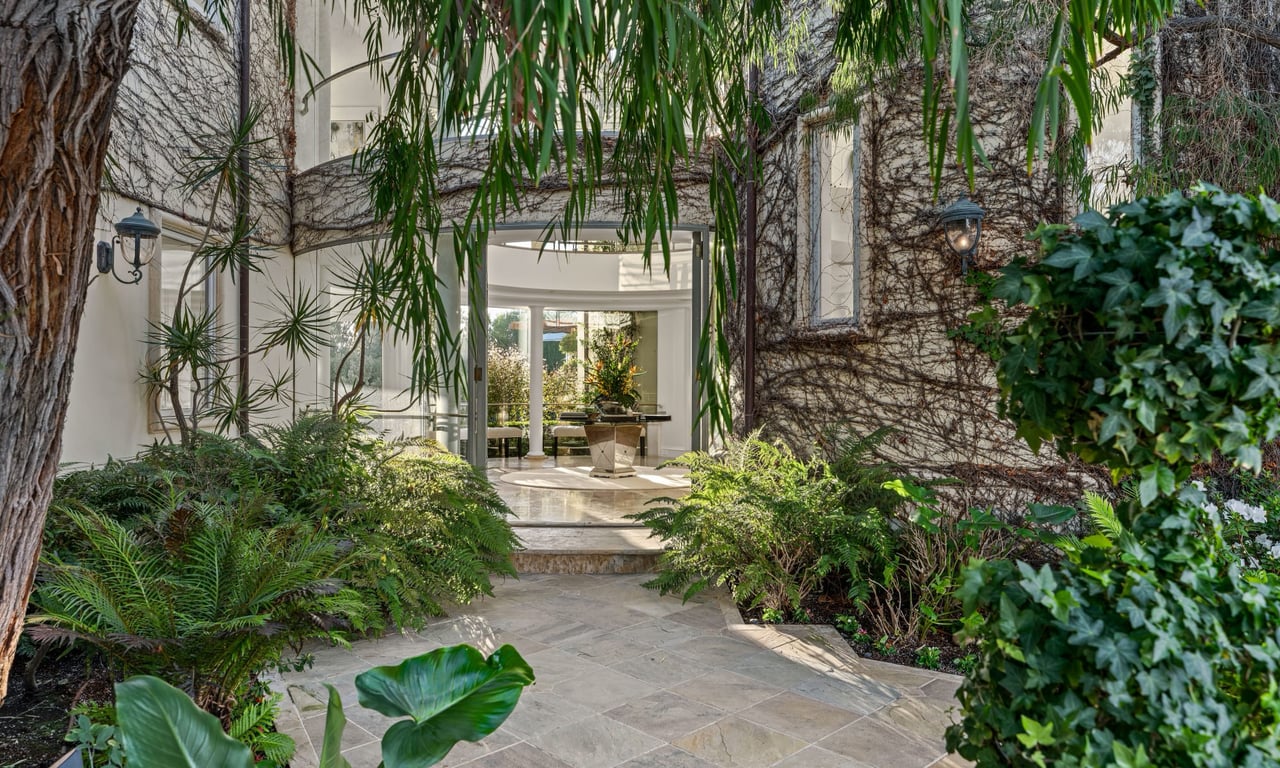
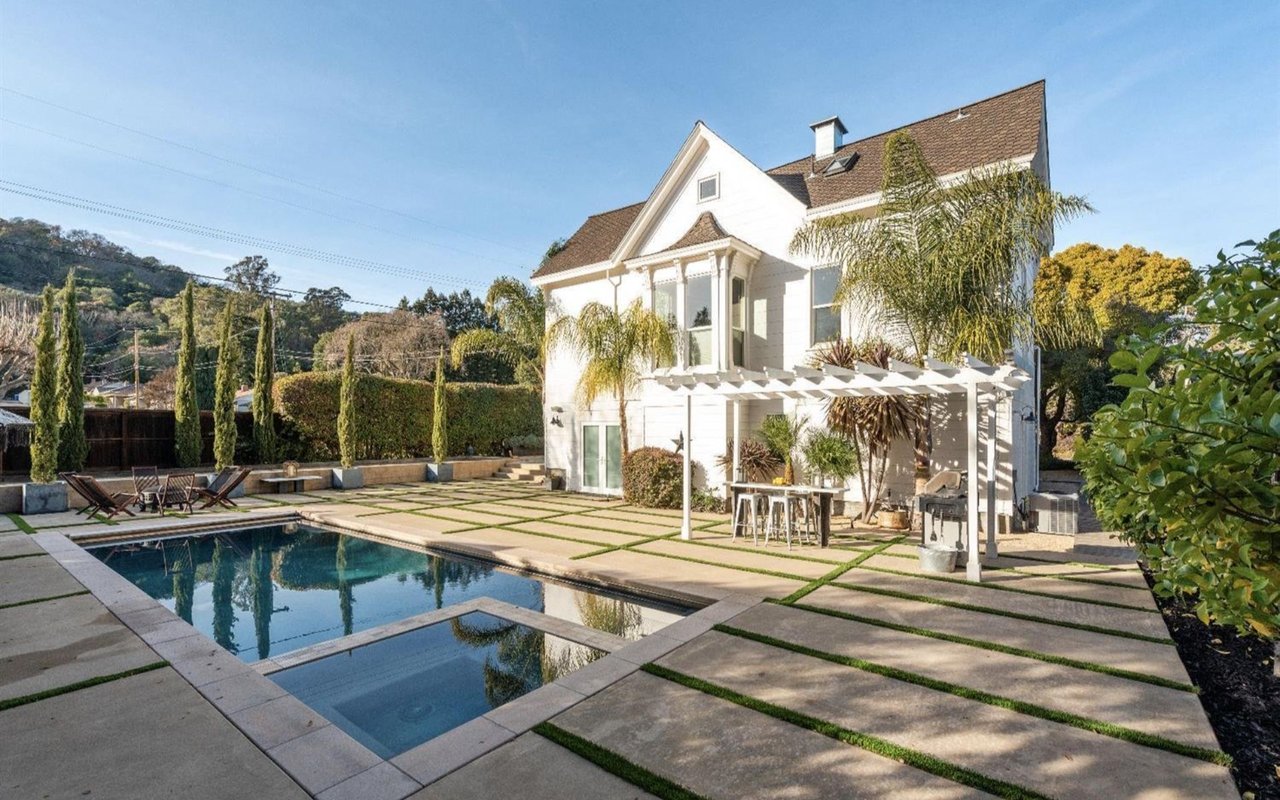
Beyond its personal benefits, a well-designed garden can increase curb appeal and marketability for Carmel Valley properties. Buyers are increasingly drawn to outdoor living spaces that offer beauty, functionality, and a connection to nature. A garden with fruit trees, culinary herbs, or a tranquil seating area creates an experience that goes beyond aesthetics.
Learning how to start a home garden can be a strong selling point when it reflects low-maintenance design, thoughtful water use, and long-term health. Whether a buyer is seeking a sustainable lifestyle or a turnkey outdoor retreat, gardens that are well-maintained and climate-conscious tend to leave a lasting impression.
Working with a real estate professional who understands the regional landscape allows sellers to highlight the full potential of their outdoor spaces. The team at The Oldham Group regularly helps clients incorporate garden planning into both the buying and selling process, ensuring that outdoor environments reflect the same level of care as the interiors.
Learning how to start a home garden can be a strong selling point when it reflects low-maintenance design, thoughtful water use, and long-term health. Whether a buyer is seeking a sustainable lifestyle or a turnkey outdoor retreat, gardens that are well-maintained and climate-conscious tend to leave a lasting impression.
Working with a real estate professional who understands the regional landscape allows sellers to highlight the full potential of their outdoor spaces. The team at The Oldham Group regularly helps clients incorporate garden planning into both the buying and selling process, ensuring that outdoor environments reflect the same level of care as the interiors.
Explore Outdoor Living Possibilities With The Oldham Group
Whether you're new to gardening or looking to enhance your current space, understanding how to start a home garden can unlock the full potential of your Carmel Valley property. From soil selection to seasonal planning, thoughtful garden design contributes to a lifestyle rooted in beauty, sustainability, and value. Connect with The Oldham Group today to explore homes that support outdoor living or to learn more about how to create a garden that enriches your daily life and elevates your home's appeal.